

 Français
 Deutsch
 Italiano
 Русский
 Español
 Português
 Nederlandse
 Ελληνικά
 日本語
 한국
 العربية
 हिन्दी
 Türkçe
 Indonesia
 Tiếng Việt
 ไทย
 বাংলা
 فارسی
 Polski

Liquid To Liquid Brazed Plate Heat Exchanger with Low Fouling Design for Raw Juice Heating
Raw Juice Heating Plate Heat Exchanger
,Liquid To Liquid Plate Heat Exchanger
,DELLOK YONGHUI Plate Heat Exchanger
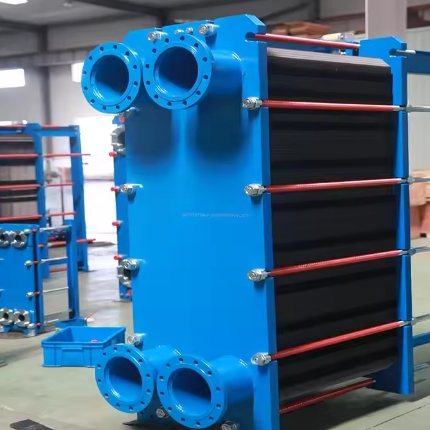
The DELLOK YONGHUI Liquid-to-Liquid Brazed Plate Heat Exchanger is engineered for efficient thermal management in raw juice heating applications. Built on advanced plate heat exchange technology, it delivers high heat transfer performance in a compact, durable design suitable for demanding industrial environments.
The exchanger operates by passing hot and cold fluids through a series of precisely engineered plates—typically made from high-quality stainless steel or other corrosion-resistant alloys—assembled in a compact stack. The plates feature carefully designed patterns and grooves that increase the surface area available for heat exchange and induce turbulent flow. This turbulent motion promotes rapid mixing and heat transfer between the hot and cold streams, ensuring heat is transferred with remarkable speed and effectiveness. The result is a highly efficient process that minimizes energy wastage and maximizes the utilization of thermal resources.
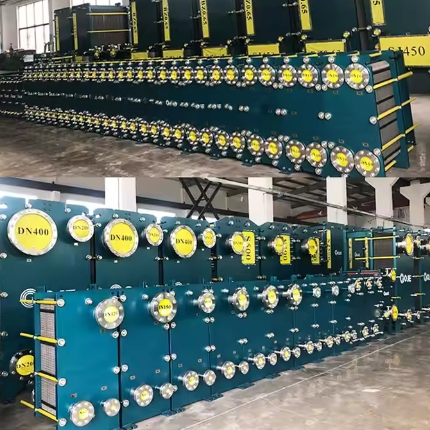
Heat exchanger selection is critical. The parameters above are typically required to determine the correct model. If you are unsure about your operating conditions, please contact us and we will confirm the selection parameters with you. Based on your application data, we use specialized software to select the heat exchanger type best suited to your needs.
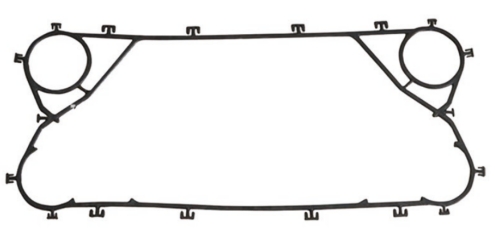
Maintenance frequency depends on several factors, including the application, the quality of the fluids being processed, and the operating conditions. In general, regular inspections should be carried out at least once a year. If the fluids are dirty or corrosive, more frequent inspections and cleaning may be required. Maintenance tasks may include checking for leaks, cleaning the plates and shell, and ensuring proper fluid flow and temperature control.
Yes, but the materials of construction must be carefully selected based on the corrosiveness of the fluids. Stainless steel, titanium, and other corrosion-resistant alloys are commonly used. Additionally, proper coatings or linings can be applied to protect the exchanger surfaces from corrosion. It is essential to consult with the heat exchanger manufacturer or a corrosion expert to ensure the correct material selection and design for handling corrosive fluids.
Over time, the performance of a plate and shell heat exchanger may degrade due to factors such as fouling of the plates (buildup of deposits from the fluids), corrosion, or mechanical wear. Fouling can reduce heat transfer efficiency and increase pressure drop. Regular maintenance and cleaning can help mitigate these effects and maintain the exchanger's performance. However, in some cases, if the degradation is severe, replacement of the plates or the entire exchanger may be necessary. Monitoring performance parameters such as heat transfer rate, pressure drop, and fluid temperatures over time can help detect any deterioration and prompt appropriate corrective actions.
TP304L Resistance Welded Perforated Fins Longitudinal Finned Tube for Heat Exchangers
DELLOK YONGHUI Cold Drawn Carbon Steel Fin Height 16.5mm Extruded Fin Tube
DELLOK YONGHUI Chemical Industry Stud SA335 P91 Carbon Steel Seamless Tube

